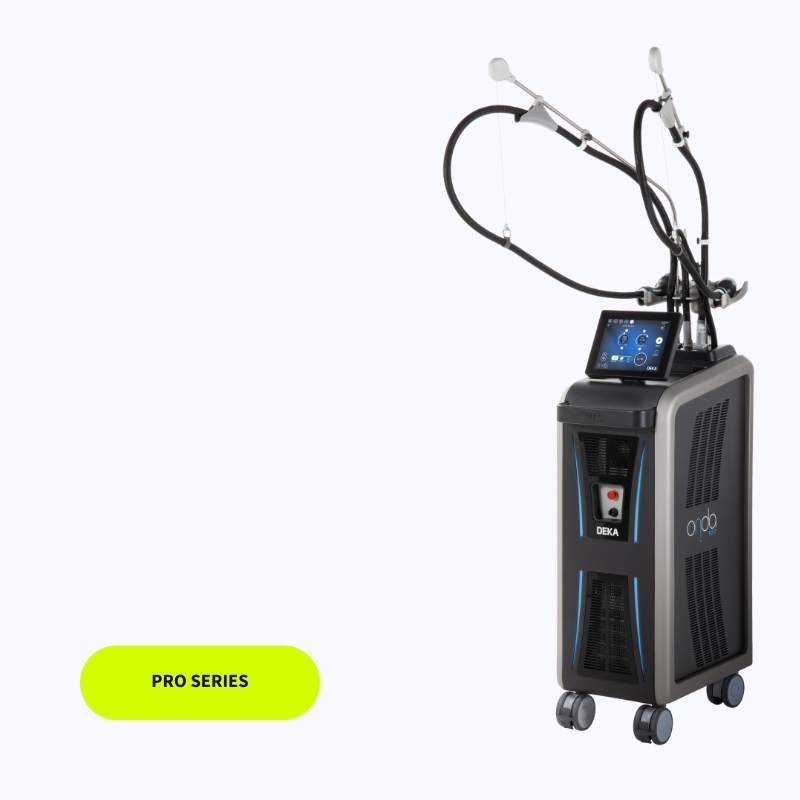





We have decided to create a special issue of our traditional DEKA MAG to celebrate our presence at the 25th World Dermatology Congress in Singapore…



DEKA'S NEW PRO SERIES

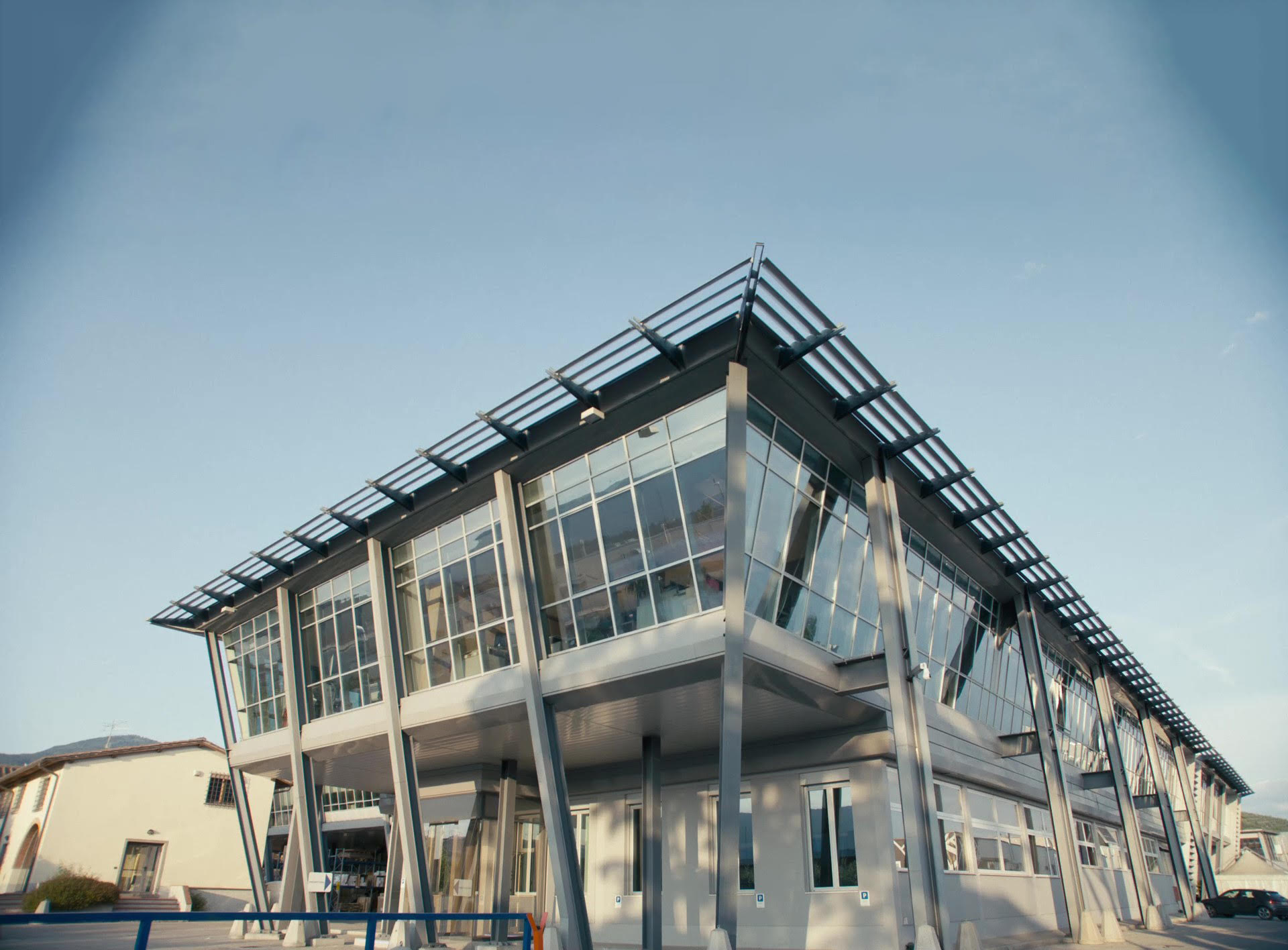
The Regulatory Affairs office is in charge of ensuring that all medical products are in compliance with the regulatory requirements of the countries in which they are sold. Compliance is attested by means of a certification, a prerequisite for the sale of the products, and which is very difficult to obtain.
We implement, maintain and monitor the efficacy and efficiency of an organization’s quality management system, created in accordance with the requirements set forth by regulations and laws. One of the main activities is undergoing and managing external and internal audits, whose positive result is fundamental to keep the corporate certifications and, therefore, to allow the company to continue to manufacture and sell the products worldwide.
The focus of our activity is clinical datum: Any piece of information which pertains to the patient treated with our devices. The clinical datum has fundamental importance, both in the design phase and in the certification phase: It is used in the documentation to obtain the certification which allows for our products to be sold in the various markets. The physician is our main interlocutor and provides us with precious indications on the use of the device to achieve the best performance and reduce any possible risk.
A new product stems from an idea which must then be designed, its manufacturability must be considered in order to give birth to a technology. The maintainability of the product must also be considered and, therefore, it is a very complex process which involves all corporate functions. The functioning of this process is strongly based on teamwork because the complexity of the projects necessitates the collaboration of all players.
Responding promptly and providing timely solutions to service requests is our mission. We are satisfied only when our clients are.
The operations cycle starts from the sales forecast, passes from very critical components procurement processes to production, assembly and final testing, following rigorous instructions and procedures, and ends with the release and shipping of the product to the client. The processes are therefore very complex, which is why people are at the center: The quality and reliability of our products strongly depend on the care and work of the people.


INTRODUCING THE NEW DEKA PLATFORMS TO THE MARKET
DEKA introduces new systems into the market: TETRA PRO, MOTUS PRO, TORO and SmartXide PRO.

A SPECIAL LASER BY DEKA DONATED TO LEBANON
DEKA has donated a very sophisticated laser system to a Beirut hospital for the cure of burn scars to treat many victims of the big explosion at the Port of Beirut in August 2020...
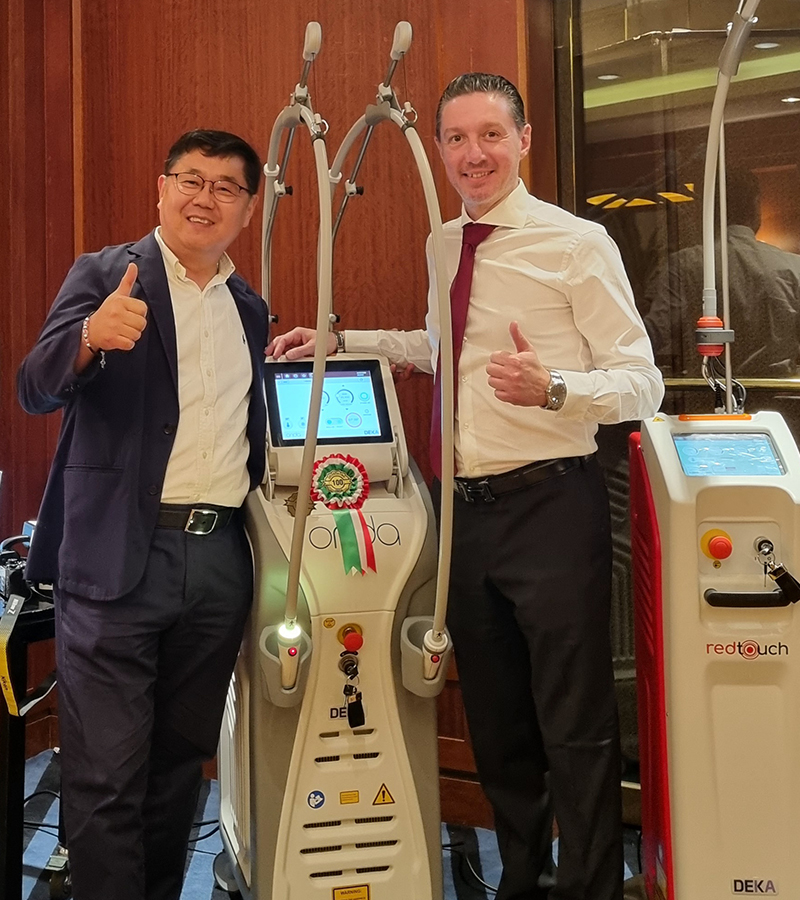
Spotlight on: DEKA KOREA (DEKA’s partner in Korea)
My name is CH KIM from Korea and we are the Korean distributor for ONDA and RED TOUCH by DEKA. We began selling DEKA ONDA and RED TOUCH in Korea in November 2022. Unlike other countries, the Korean market has many laser and aesthetic m...

DEKA PLAYS ITS POKER QUAD WITH FOUR NEW LASER PLATFORMS AT IMCAS PARIS
After the great success obtained at the World Congress of Dermatology in Singapore, more important developments in technological evolution are coming, as a result of the creativity and concreteness of the leader in the aesthetic market.
We have decided to create a special issue of our traditional DEKA MAG to celebrate our presence at the 25th World Dermatology Congress in Singapore…
We have decided to create a special issue of our traditional DEKA MAG to celebrate our presence at the 25th World Dermatology Congress in Singapore…
We have decided to create a special issue of our traditional DEKA MAG to celebrate our presence at the 25th World Dermatology Congress in Singapore…
We have decided to create a special issue of our traditional DEKA MAG to celebrate our presence at the 25th World Dermatology Congress in Singapore…


DEKA M.E.L.A. S.r.l.
Via Baldanzese, 17 - 50041
Calenzano (FI), Italy
+39 055 8874942
+39 055 8832884
info@dekalaser.com
VAT IT04190470486
REA Firenze: 425321Please be aware that some of the brochures / information / intended uses / configurations / accessories mentioned on the site are not available in the USA and its administrative territories.
If you are a US citizen click here.